
Fethiye vs Oludeniz: Choosing Your Perfect Turquoise Coast Base
Choosing the perfect holiday or remote-work based on Turkey’s Turquoise Coast requires evaluating concrete variables. Structuring a Turkish itinerary demands precise data on connectivity, local costs, and neighborhood logistics.
Forget vague travel brochure descriptions; this guide breaks down the Fethiye vs Oludeniz debate using verified Wi-Fi speeds, infrastructure details, and specific local amenities to help you decide exactly where to base your stay.
Atmosphere and Lifestyle: Authentic City vs. Resort Town
When evaluating the overall vibe, these two neighboring destinations operate on entirely different bandwidths. Fethiye is an active municipality of roughly 170,000 residents, functioning completely independently of the May-to-October tourist rush.
In Fethiye’s Karagözler neighborhood, residents shop for produce at the massive Tuesday Sali Pazari (farmer’s market) alongside wooden gulets docking at the working marina.
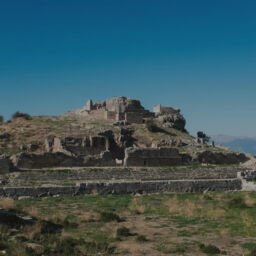
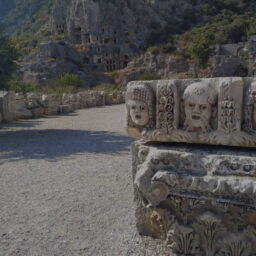
Looking up from the downtown traffic on Atatürk Caddesi reveals the 4th-century BC Lycian Amyntas Rock Tombs carved directly into the limestone cliffs. Fethiye is a functional, lived-in city.
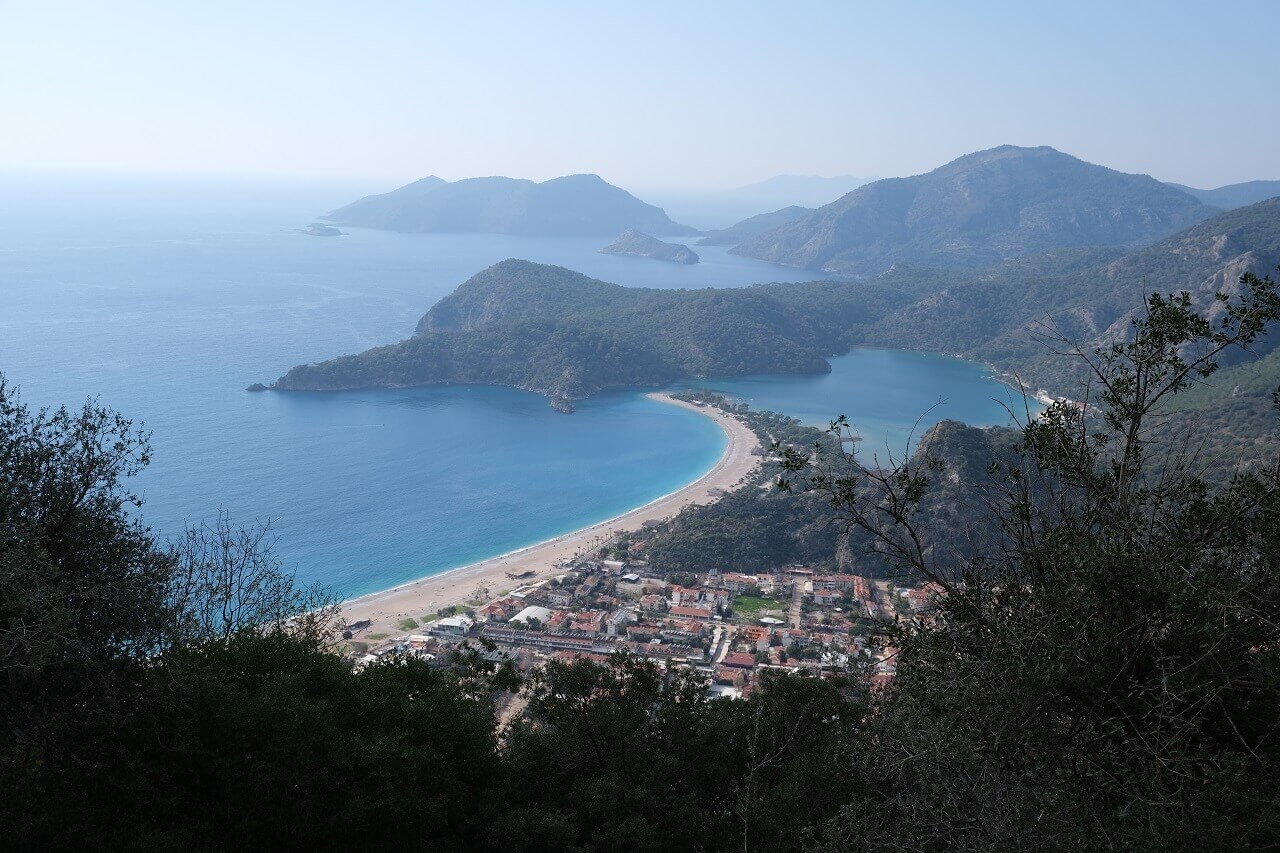
Contrast this with Oludeniz, a purpose-built resort enclave explicitly engineered for international tourism. The atmosphere on the main Belcekiz promenade is built around pure escapism.
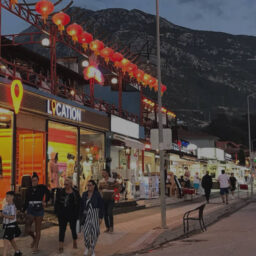
The pedestrian streets are lined with tour agencies selling boat trips, shops pushing beach gear, and international tourists maximizing their vacation time.
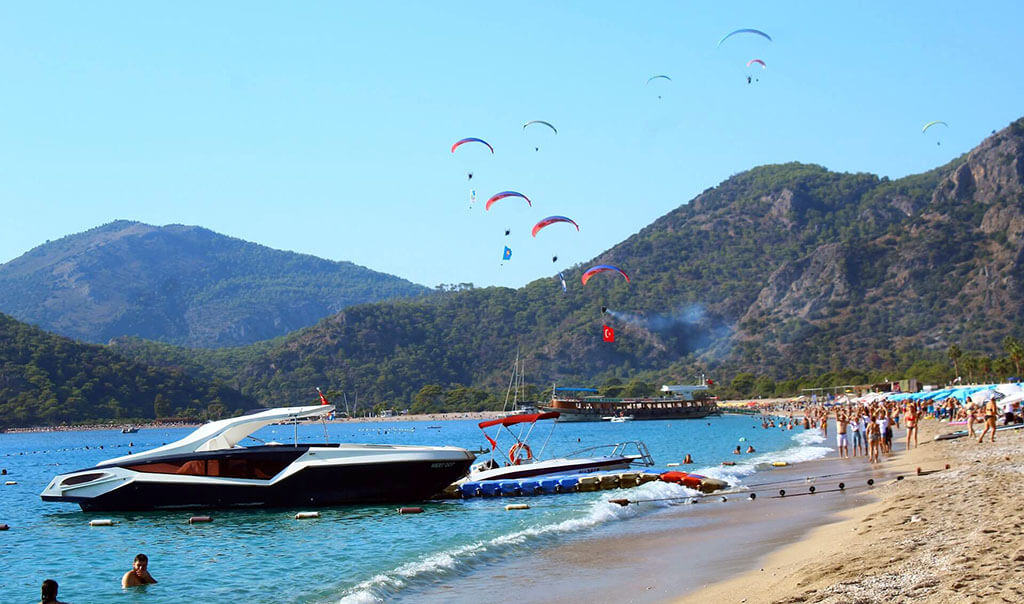
Look up here, and instead of ancient tombs, the sky is dotted with dozens of colorful paragliders spiraling down from the 1,960-meter summit of Mount Babadag.
Fethiye is the definitive target for cultural immersion and everyday Turkish utility, whereas Oludeniz is strictly optimized for high-density, low-friction vacationing.
Beaches and Nature: Marina Walks vs. The Blue Lagoon
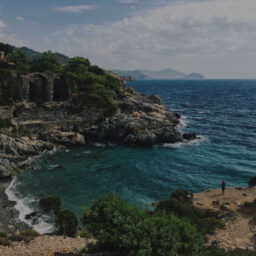
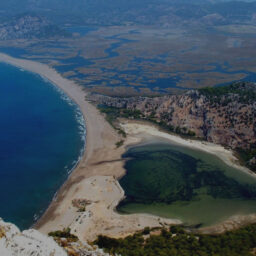
If immediate beach access is the core metric for success, Oludeniz wins by a landslide. Accommodations in the main resort valley sit within a 5-minute walk of Belcekiz Beach, a stunning 3-kilometer stretch of coarse sand and pebble fronting electric-blue water. The true draw is the Ölüdeniz Tabiat Parkı—the famed Blue Lagoon.
Highly protected as a national park (with an entry fee of around 150 TL), this sheltered bay features calm, shallow waters framed by pine forests. Staying in Oludeniz allows travelers to walk to the lagoon by 8:00 AM, securing a premium sunbed long before the dolmus (minibus) unloads midday crowds from neighboring towns.
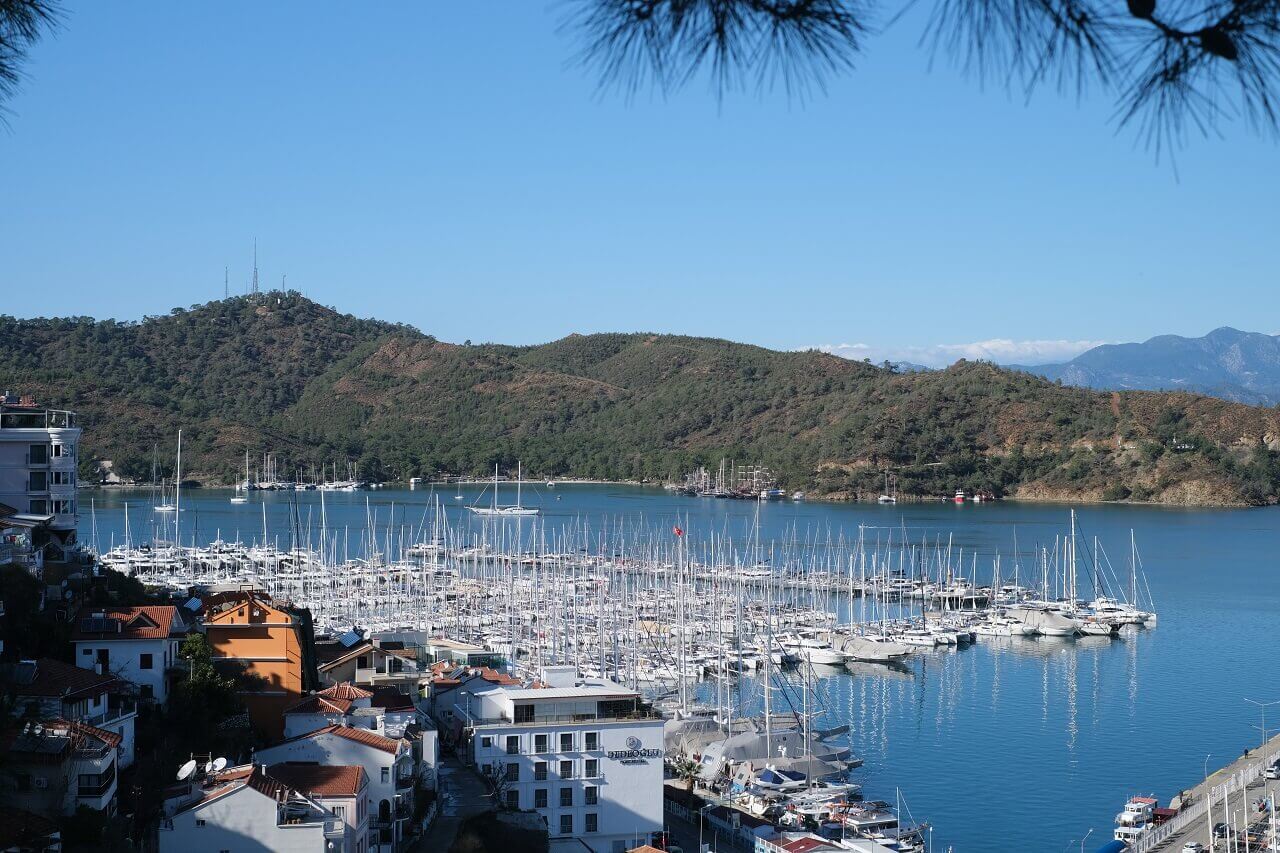
Fethiye lacks a central, swimmable sandy beach. The downtown waterfront, known as the Kordon, is a beautifully paved, 5-kilometer promenade designed for cycling and sunset strolls, not sunbathing. To swim in Fethiye, visitors must head to the outskirts.
A 15-minute water taxi across the bay leads to Çalış Beach (famous for windsurfing and fiery sunsets), while a dolmus to the Fethiye peninsula provides access to private, pine-fringed coves like Sea Me Beach or Help Beach, which typically require reserving a 500 TL minimum-spend cabana in advance.
Remote Work and Connectivity: The Digital Nomad Turkey Experience
For developers, freelance writers, and tech professionals building a digital nomad Turkey lifestyle, environment and connectivity are non-negotiable. Fethiye stands out as the superior hub for a productive workation.
Fethiye’s established expat and nomad community ensures access to dedicated, climate-controlled workspaces.
Cafes like Kahve Dünyası on the harbor or the independent coffee roasters in the Paspatur district offer ergonomic seating and stable 50-100 Mbps Wi-Fi.
Because the city caters to long-term residents, securing an apartment in neighborhoods like Taşyaka or Foça equipped with reliable fiber-optic internet is straightforward. Remote workers can easily finish complex tasks at a local cafe with a 60 TL Turkish coffee, knowing a marina walk is waiting at 5:00 PM.
Working from Oludeniz is structurally difficult and strictly recommended for a digital detox. While hotels offer Wi-Fi, it rarely exceeds a fluctuating 15-20 Mbps—sufficient for checking emails, but inadequate for secure, high-volume data uploads or uninterrupted video calls.
The environment is also inherently distracting, with heavy foot traffic, resort entertainment, and beach club music dominating the daylight hours.
Nightlife and Dining: Fish Markets vs. Beach Clubs
Post-work dining in these two towns targets completely different demographics. Fethiye is a culinary stronghold.
A quintessential experience is the Fethiye Fish Market (Balık Pazarı), where visitors purchase a fresh sea bass (levrek) or sea bream (çipura) directly from the central mongers, then hand it to a surrounding restaurant like Hilmi Restaurant.
They grill the catch for a modest cooking fee (roughly 150 TL) while local musicians play the darbuka. Beyond the market, the narrow alleys of Paspatur (Old Town) host authentic Turkish meyhanes where locals drink Yeni Rakı and share plates of samphire and fava bean mezes late into the night.
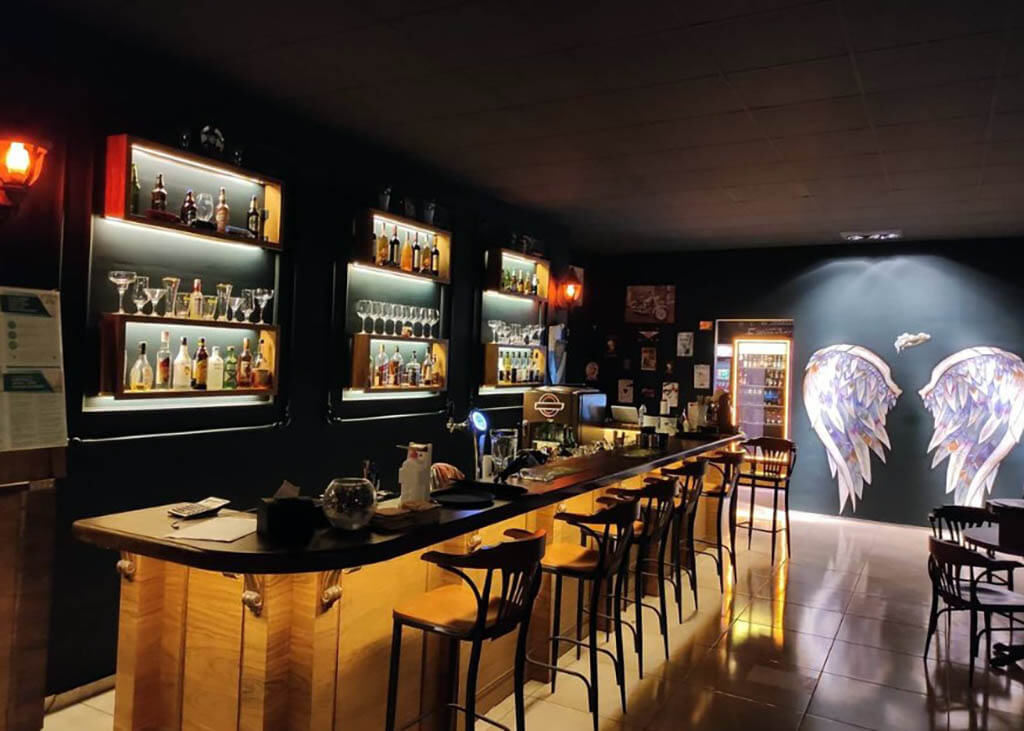
Oludeniz dining is heavily indexed toward the UK and European vacation market. Traditional meyhanes are replaced by high-volume steak houses, British-style pubs broadcasting Premier League matches, and beachfront cocktail lounges like Buzz Beach Bar.
The evenings here are loud, neon-lit, and high-energy, featuring tribute bands, fire-breathing bartenders, and DJs spinning until 3:00 AM.
Accommodation Comparison: Where to Stay
Housing budgets and required square footage will easily dictate the right base. Fethiye operates on a long-term residential model.
A modern, fully furnished 1-bedroom apartment with a kitchen, washing machine, and dedicated workspace in Fethiye generally costs between $600 and $900 per month.
Boutique hotels and family-run pensions in the center run at a fraction of coastal prices. For stays longer than a week, Fethiye is the financially sound choice.
Oludeniz is dominated by high-turnover resort complexes, many operating on all-inclusive models, alongside luxury villas clustered in the steep, surrounding hillside villages of Ovacık and Hisarönü.
During the peak months of July and August, nightly rates in Oludeniz skyrocket. Visitors pay a heavy premium—often $150 to $300+ per night for standard rooms—strictly for the logistical convenience of walking to the Mediterranean Sea.
Transport and Logistics: Commuting Between the Two
Choosing one base does not lock travelers out of the other. The 15-kilometer commute between Fethiye and Oludeniz is solved by the region’s highly efficient dolmus network, eliminating the strict need for a rental car.
The Oludeniz-bound dolmus departs near the white mosque in Fethiye’s center. For roughly 40 TL, the minibus takes a scenic 30 to 40-minute drive up through the pine-covered mountains of Ovacık before dropping passengers directly at Belcekiz beach.
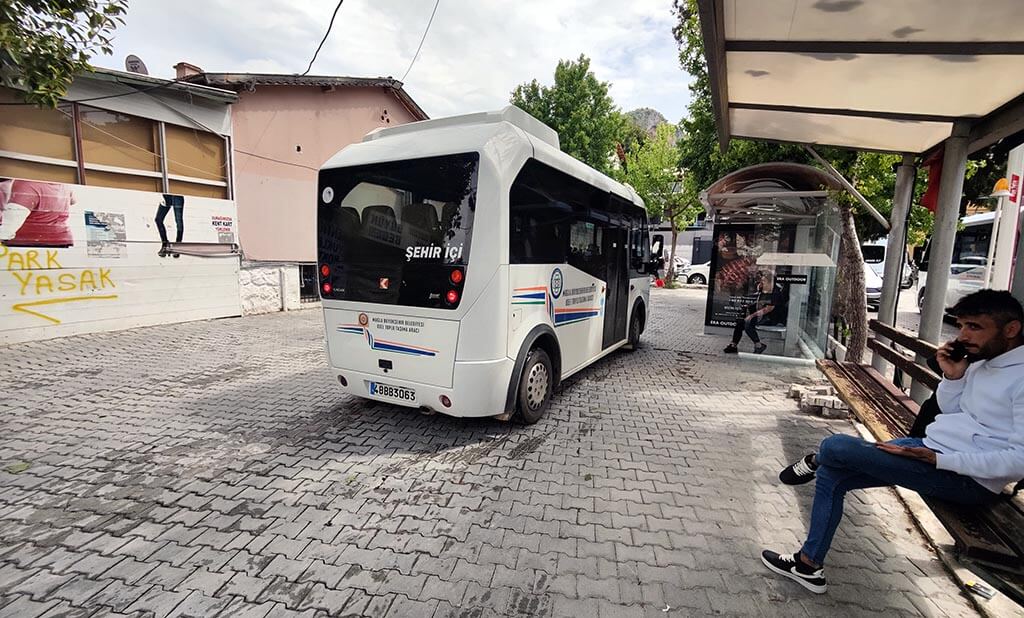
During peak summer, these run every 10 minutes from 7:00 AM until past midnight. It is highly practical to work from a quiet Fethiye apartment, commute to Oludeniz for an afternoon swim, and return for dinner.
As a regional hub, Fethiye is vastly superior for broader transit. It houses the central Otogar (bus station) connecting to Antalya and Izmir, serves as the launch point for multi-day gulet charters to Olympos, and offers direct, 60-minute Muttaş airport shuttles to Dalaman Airport (DLM).
Adventure and Activities
Oludeniz is Turkey’s undisputed adrenaline capital. Paragliding from Mount Babadag is a globally recognized bucket-list item.
Operators like Gravity or Reaction charge roughly 100-150 for a tandem flight that lands directly on the Oludeniz boardwalk.
The main beach is also the primary harbor for multi-deck “pirate boats” that run daily cruises to Butterfly Valley and St. Nicholas Island.
Fethiye’s excursions are historically and naturally grounded. The primary draw is the 12 Islands Boat Tour, a serene, music-free sailing experience departing from Fethiye harbor.
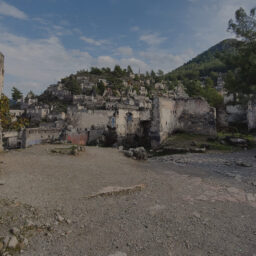
Fethiye also offers immediate dolmus access to Kayaköy, a hauntingly beautiful, abandoned Greek ghost town just 8 kilometers away. Additionally, Fethiye’s official trailhead marks the start of the Lycian Way, the rugged 500-kilometer coastal hike to Antalya.
Pros and Cons: A Quick Comparison Matrix
Fethiye Pros
- Authentic Turkish daily life, historical sites, and deep local culture.
- Significantly cheaper accommodation, dining, and grocery markets (Sali Pazari).
- Year-round infrastructure with reliable fiber internet for remote workers.
- Acts as the central transport hub for buses, boats, and airport shuttles.
Fethiye Cons
- No central, sandy swimming beach within walking distance.
- Summer traffic along the main arteries can cause localized gridlock.
Oludeniz Pros
- Immediate, walkable access to Belcekiz Beach and the Blue Lagoon.
- World-class adventure sports (paragliding, scuba diving) on site.
- Compact, highly walkable layout designed exclusively for tourists.
- High-energy nightlife and entertainment options.
Oludeniz Cons
- Aggressively priced; expect a high “resort tax” on food and lodging.
- Highly seasonal infrastructure (90% of businesses close from November to April).
- Poor internet speeds and loud environments make remote work frustrating.
- Lacks authentic Turkish cultural integration.
Conclusion: Which Destination Fits Your Profile?
The final decision depends entirely on your timeline and professional requirements.
Fethiye is highly recommended for digital nomads, tech professionals, slow travelers, and culture seekers.
For those who require the robust infrastructure needed for remote work, crave genuine Turkish municipal life, and want an affordable, well-connected hub to explore the wider Muğla province, Fethiye is the ideal base.
Conversely, Oludeniz is the clear winner for short-term vacationers prioritizing immediate beach access.
Travelers with limited time off who want to unplug from work completely and desire a frictionless loop between a hotel pool, the Blue Lagoon, and vibrant beach bars should book their stay in Oludeniz.

Which is cheaper, Fethiye or Oludeniz?
Fethiye is generally cheaper for accommodation and food.
Which has better nightlife, Fethiye or Oludeniz?
Fethiye has a wider range of nightlife options, from traditional Turkish bars to lively clubs. Oludeniz has some bars, but it's generally quieter.
Is it easy to get from Fethiye to Oludeniz?
Yes it is, you can get the Dolmus: Dolmus in Fethiye.
When is the best time to visit Fethiye and Oludeniz?
The best time to visit is during the summer months (June to September) when the weather is warm and sunny. However, it can get very crowded during this time. If you prefer fewer crowds, you might want to visit in the spring (April-May) or autumn (October).